
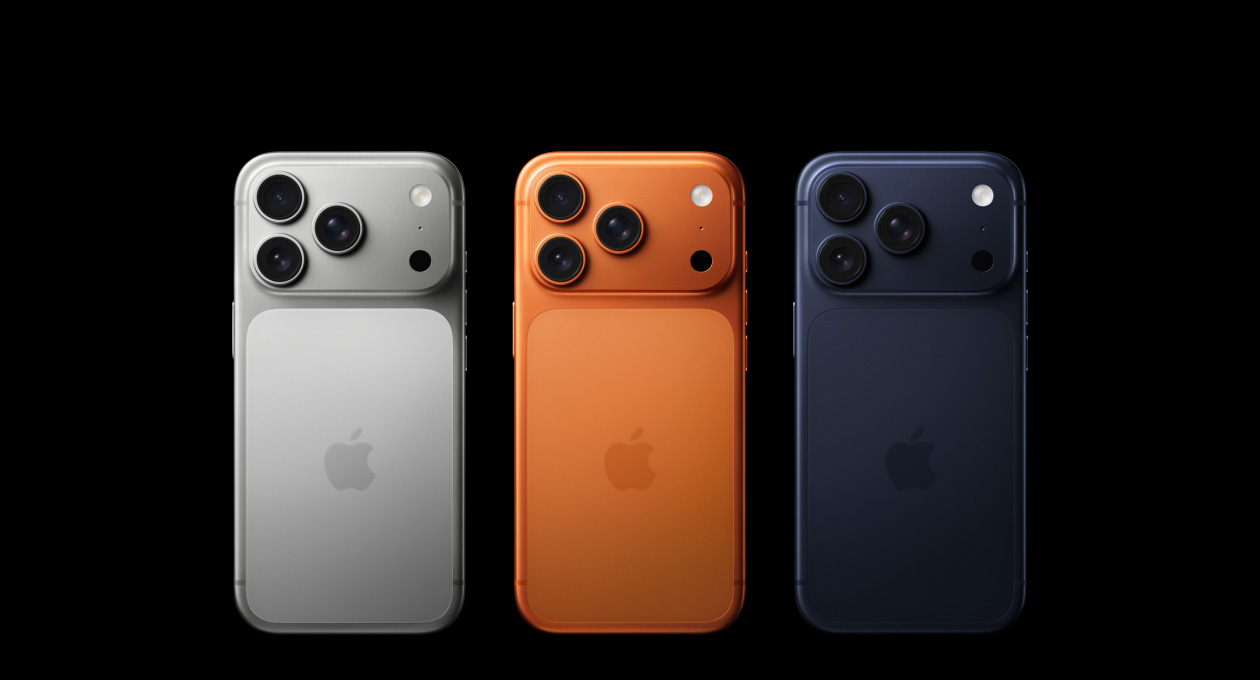
Apple has reported one of its strongest quarters in recent years, with the iPhone 17 lineup emerging as the company’s primary growth driver. Revenue from iPhone sales reached approximately $85 billion, contributing to Apple’s fastest overall growth rate since 2021.
The results reflect a familiar Apple strategy: refreshed design, strong performance, improved battery life, and a distinctive color option. Rather than emphasizing experimental features, Apple focused on a refined, reliable product—an approach that resonated with consumers.
According to analysis from Bloomberg journalist Mark Gurman, Apple’s restrained messaging marked a clear shift from the previous year. In 2024, the iPhone 16 series was heavily marketed as “AI-ready,” despite Apple Intelligence not being fully available at launch. With the iPhone 17, Apple avoided similar promises, choosing substance over slogans.
Pent-up demand also played a key role. Many users delayed smartphone upgrades following the 2020–2021 5G transition, and that postponed demand has now translated into higher sales. Apple says demand remains strong enough that production has yet to fully catch up, even months after launch. For the current quarter, the company expects revenue growth of up to 16 percent, exceeding Wall Street forecasts.
Services and Ecosystem Strength
Apple’s services business also reached a milestone, surpassing $30 billion in quarterly revenue for the first time. The App Store remains a major contributor, reinforcing Apple’s long-standing ecosystem strategy that tightly integrates hardware, software, and services.
AI Strategy Still Unclear
Despite the strong financial performance, Gurman argues that Apple’s success may be masking a more pressing issue: its position in generative artificial intelligence. While rivals are rapidly advancing AI-native products and platforms, Apple has yet to articulate a clear, long-term AI vision.
Past leadership decisions are now under renewed scrutiny. John Giannandrea, who joined Apple in 2018 to lead AI efforts, exited his role late last year after being gradually sidelined. Responsibility for AI now sits largely with software chief Craig Federighi, who has opted for a short-term partnership with Google to integrate Gemini models—an approach seen as pragmatic but unlikely to serve as a permanent solution.
Meanwhile, competitors such as Meta and OpenAI are moving aggressively, investing heavily in AI-driven hardware and software experiences. Bloomberg reports that OpenAI is exploring consumer hardware concepts built around AI-first interactions, starting with accessories and potentially expanding further.
Apple’s challenge, according to Gurman, is not product quality but experience design. As user expectations shift toward intelligent agents and conversational interfaces, Apple may need to rethink its app-centric model and develop more advanced in-house AI technologies to remain competitive.