


Android 16 represents one of the most ambitious upgrades in Google’s mobile operating system history. While previous versions focused on design refinements and incremental feature additions, Android 16 shifts the spotlight toward artificial intelligence, system efficiency, and deeper hardware-software integration.
This guide covers every major feature, supported device expectations, AI enhancements, battery improvements, and how Android 16 compares to Android 15.
What Makes Android 16 Different?
The defining characteristic of Android 16 is its AI-first system architecture. Instead of adding isolated smart features, Google is embedding machine learning directly into core system processes:
• Notification prioritization
• Background task management
• App launch prediction
• Adaptive battery allocation
• Smart text and voice processing
This is not just an upgrade — it’s a structural change in how Android operates.
Advanced On-Device AI Processing
Android 16 expands on-device AI significantly. Tasks that previously required cloud processing can now be handled locally, improving:
- Speed
- Privacy
- Energy efficiency
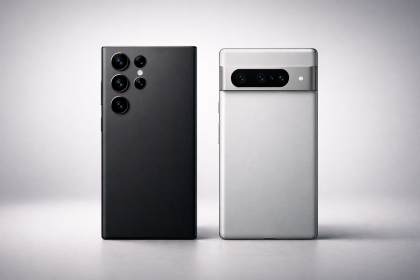
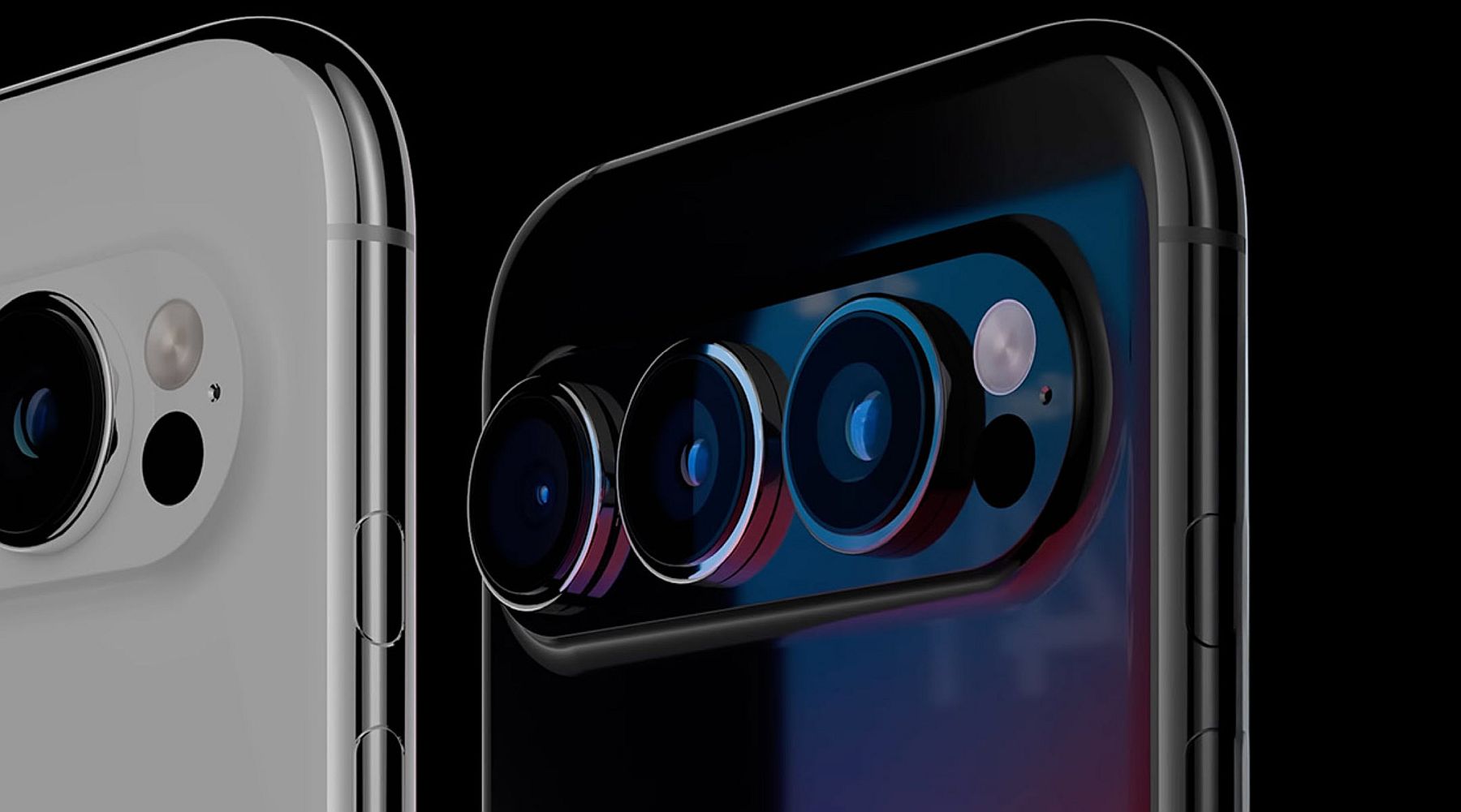
Pixel devices powered by Tensor chips are expected to leverage these improvements most aggressively. Samsung devices may integrate similar AI optimization via One UI customization layers.
Practical benefits include:
• Faster smart replies
• Real-time language processing
• Context-aware search suggestions
• Intelligent photo categorization
Android 16 vs Android 15: Key Differences
| Feature | Android 15 | Android 16 |
|---|---|---|
| AI Notification Filtering | Basic | Context-aware & adaptive |
| Battery Optimization | Usage-based | Predictive AI modeling |
| On-device ML | Limited | Deep system integration |
| Privacy Dashboard | Improved | Expanded granular controls |
| Background App Control | Manual & system mix | AI-managed resource allocation |
Android 16’s predictive modeling allows the system to pre-allocate memory and CPU resources based on behavioral patterns.
Performance Improvements
Android 16 focuses heavily on system smoothness and task prediction. Early previews suggest:
- Reduced background CPU spikes
- Smarter RAM management
- Faster app relaunch times
- Lower standby battery drain
Mid-range devices may see the biggest benefit, as AI resource allocation compensates for hardware limitations.
Battery Optimization: AI-Driven Power Management
Google is refining Adaptive Battery using machine learning that tracks user routines more precisely. Instead of static optimization, Android 16 dynamically adjusts:
- Charging cycles
- App background refresh
- Location tracking frequency
- Network polling intervals
This could extend battery longevity, particularly on devices with 4,500–5,000 mAh batteries.
Privacy & Security Enhancements
Android 16 expands privacy transparency:
• More granular app permission history
• Improved background microphone tracking
• Enhanced sandboxing for third-party apps
• Real-time security alerts for abnormal behavior
Google appears to be balancing AI expansion with stronger user control.
Expected Supported Devices
While the final list will depend on manufacturers, Android 16 support is expected for:
Pixel Devices
- Pixel 7 series
- Pixel 8 series
- Pixel Fold
- Pixel Tablet
Samsung Devices
- Galaxy S23 / S24 series
- Galaxy Z Fold 5 and newer
- Selected Galaxy A-series (A54 and newer)
Other manufacturers such as OnePlus, Xiaomi, and Nothing are expected to confirm compatibility later.
How Android 16 Impacts the Mobile Industry
Beyond user-facing features, Android 16 strengthens Google’s long-term strategy of integrating AI into every layer of mobile computing.
For a deeper analysis of Google’s AI-first direction and what it means for the broader smartphone market, read our full industry breakdown on MobileRadar.
Frequently Asked Questions
When will Android 16 launch globally?
→ Beta releases are expected first, followed by stable rollout later in the year.
Will older devices receive Android 16?
→ It depends on manufacturer update policies, typically 3–4 years of OS support.
Is Android 16 a major upgrade?
→ Yes. Its AI integration represents a foundational shift rather than incremental refinement.





[…] For a complete breakdown of Android 16 features, supported devices, and performance improvements, read our full guide on TechNewsMobile. […]
[…] to earlier Android releases, Android 16 places greater emphasis on AI-driven behavior analysis and layered response systems rather than static lock […]