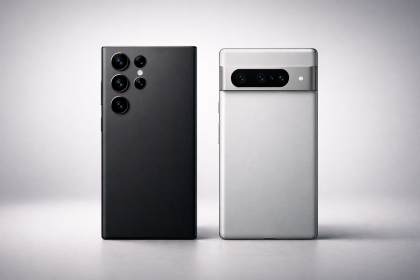


Android 16 Anti-Theft Features Explained
As smartphone theft continues to rise globally, Android 16 introduces a more advanced set of anti-theft features designed to make stolen devices harder to access and easier to secure remotely.
Rather than relying on a single security layer, Android 16 combines AI-based motion detection, offline locking mechanisms, and adaptive authentication controls to respond instantly to suspicious behavior.
Here’s how Android 16 anti-theft protection works.
What Are Android 16 Anti-Theft Features?
Android 16 introduces several key theft protection upgrades:
- Enhanced Theft Detection Lock
- Improved Offline Device Lock
- Faster Remote Lock activation
- Adaptive authentication under risk conditions
Together, these tools aim to prevent unauthorized access during the critical seconds after a device is stolen.
Theft Detection Lock: How It Works
One of the most important Android 16 anti-theft features is the refined Theft Detection Lock.
Using motion sensors and contextual signals, the system can detect behavior consistent with a snatch-and-run scenario. If triggered, the phone automatically locks before a thief can disable connectivity or security settings.
In Android 16, the detection algorithm has been improved to:
- React faster to genuine threats
- Reduce false positives
- Minimize accidental lockouts
This proactive locking mechanism adds an immediate barrier against data theft.
Offline Device Lock: Protection Without Internet
A common theft tactic involves disabling Wi-Fi and mobile data to block remote tracking.
Android 16 strengthens Offline Device Lock by ensuring that:
- The device can automatically lock itself when suspicious behavior is detected
- Sensitive data remains protected even without connectivity
- Factory reset attempts are restricted under risk conditions
This makes Android 16 significantly more resilient against offline tampering.
Remote Lock Improvements in Android 16
Android 16 streamlines Remote Lock functionality.
Users can secure a lost phone quickly using basic verification methods without navigating complex account recovery steps during stressful situations.
Once activated:
- Access is immediately restricted
- Security settings cannot be changed
- Additional verification is required for sensitive actions
This reduces the time window thieves have to exploit a stolen device.
Adaptive Authentication Under Suspicious Activity
Instead of introducing new biometric hardware requirements, Android 16 focuses on behavioral security.
If the system detects:
- Multiple failed unlock attempts
- Sudden location changes
- High-risk activity patterns
It may:
- Disable biometric unlock temporarily
- Require full PIN/password authentication
- Prevent account removal or factory reset
This dynamic response adds another defensive layer.
Which Phones Will Get Android 16 Anti-Theft Protection?
Availability depends on manufacturer rollout schedules and device compatibility.
Most Pixel devices will receive Android 16 first, followed by eligible Samsung, OnePlus, Xiaomi and other OEM devices depending on update cycles.
Users should check their manufacturer’s Android 16 update roadmap for confirmation.
How Android 16 Improves on Previous Security Versions
Compared to earlier Android releases, Android 16 places greater emphasis on AI-driven behavior analysis and layered response systems rather than static lock triggers.
The combination of motion-based detection and adaptive authentication represents a shift toward proactive security rather than reactive locking.
FAQ: Android 16 Anti-Theft Features
What are Android 16 anti-theft features?
They include Theft Detection Lock, Offline Device Lock improvements, Remote Lock enhancements and adaptive authentication behavior.
Can Android 16 prevent phone theft entirely?
No software can prevent physical theft, but Android 16 significantly reduces unauthorized access and data compromise.
Does Android 16 anti-theft work offline?
Yes, Offline Device Lock ensures protection even without internet connectivity.
Is Theft Detection Lock automatic?
Yes, once enabled, it automatically responds to suspicious motion patterns.
Final Thoughts
Android 16 anti-theft features reflect Google’s continued focus on protecting user data in real-world theft scenarios.
By combining AI detection, offline protection, and adaptive authentication, Android 16 makes stolen devices far more difficult to exploit.