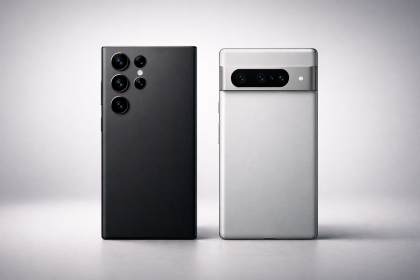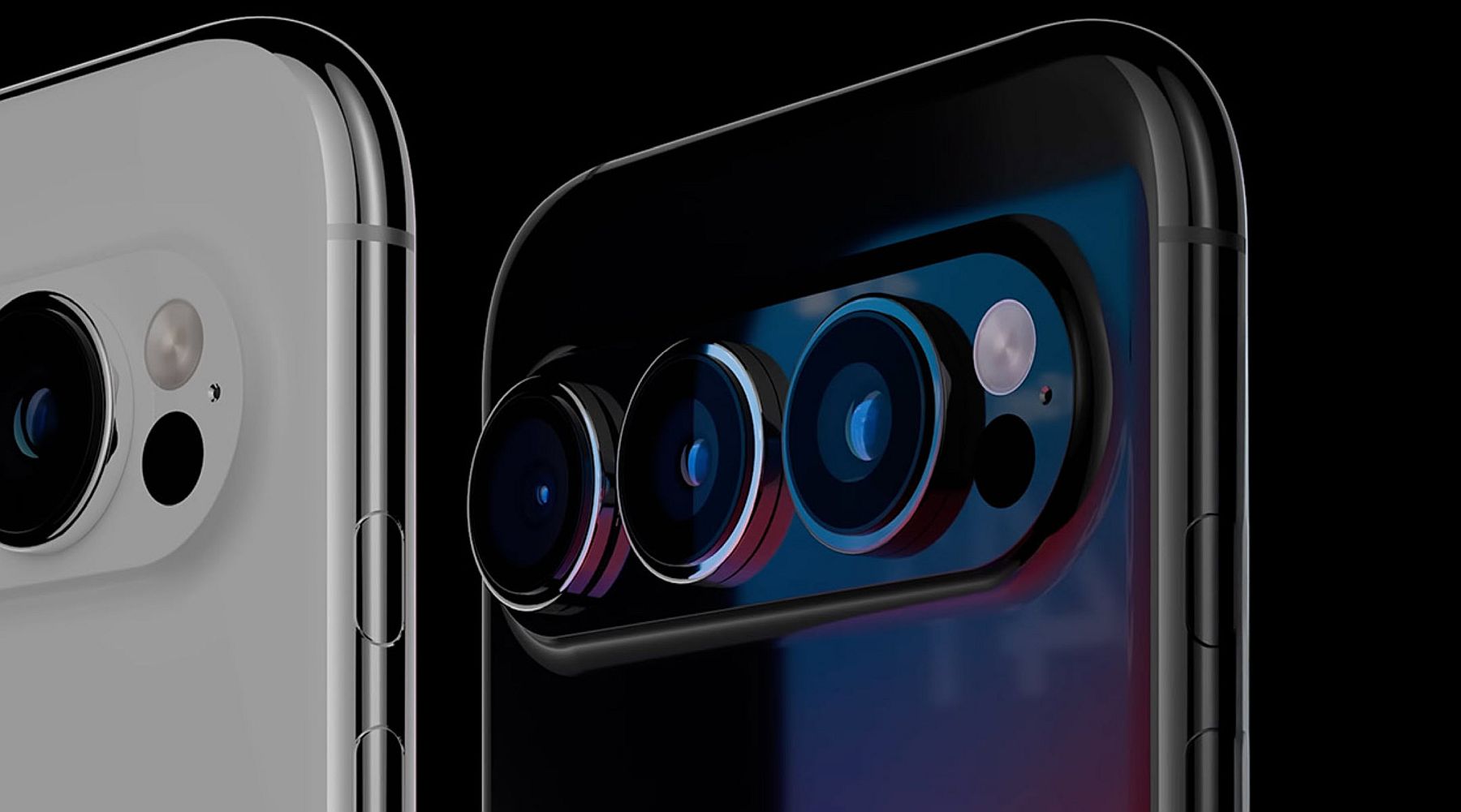

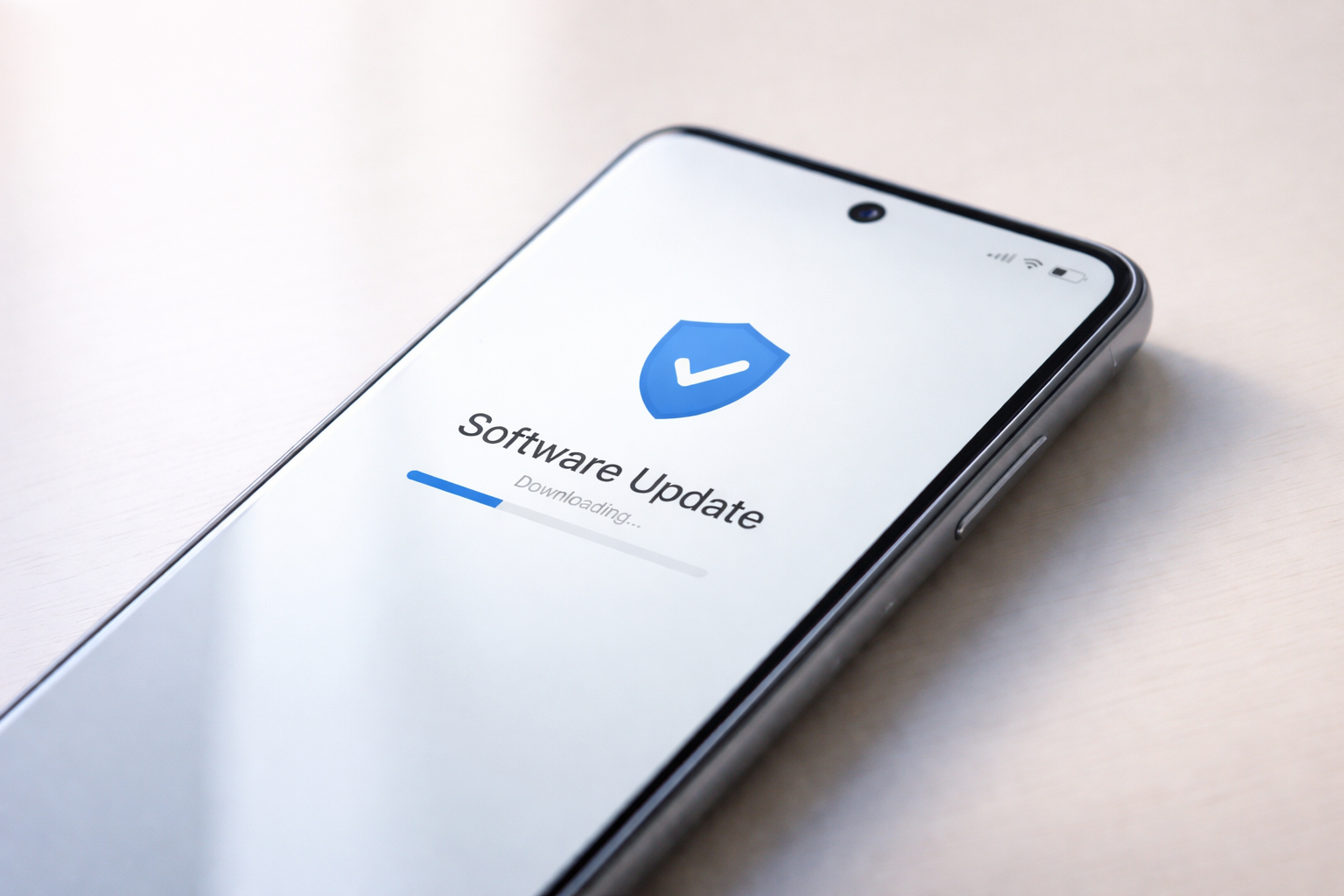
When consumers check whether their phone is secure, most look at one thing: the operating system version. Android 16. iOS 20. The number becomes shorthand for safety. If the version is current, the device feels protected.
Modern smartphone security no longer lives exclusively in the operating system layer. It is distributed across firmware, hardware abstraction layers, vendor drivers, modem stacks, AI accelerators, and secure enclave subsystems. The visible OS version is just one part of a far more complex security architecture.
The Difference Between OS Updates and Firmware Updates
Operating system updates primarily affect the application framework, user interface, permissions model, and system services. These updates are visible, branded, and marketed.
Firmware updates, by contrast, operate beneath the surface. They affect:
- Baseband and modem software
- GPU drivers
- Camera processing pipelines
- Wi-Fi and Bluetooth stacks
- Secure enclave or trusted execution environments
These components interact directly with hardware. Vulnerabilities at this level can expose attack vectors that bypass application-layer protections entirely.
Why Firmware Vulnerabilities Are More Dangerous
Firmware-level vulnerabilities often have broader impact because they operate closer to the hardware. A compromised modem, for example, can potentially interact with network traffic independently of the operating system’s standard security controls.
Historically, several high-profile mobile exploits originated in media processing libraries, radio firmware, or hardware drivers — not in the visible OS interface.
Google publishes detailed documentation through its Android security bulletins, where many patched vulnerabilities originate in vendor components rather than the core Android framework. These disclosures illustrate how deeply layered modern mobile security has become.
The Vendor Dependency Problem
Firmware updates frequently depend on chipset manufacturers. Qualcomm, MediaTek, Samsung, and others provide low-level patches that must then be integrated by device manufacturers.
This creates a multi-stage update pipeline:
- Chip vendor releases patch
- OEM integrates patch into firmware
- Carrier variants undergo testing (in some regions)
- Update is finally deployed
Each stage introduces delay. Even when an OS security patch appears current, underlying firmware components may lag behind if integration cycles are slow.
The AI Hardware Layer Adds Complexity
The expansion of on-device AI has introduced additional hardware-level processing units. Neural processing units (NPUs), image signal processors (ISPs), and background inference engines operate semi-independently from the main CPU environment.
As smartphones increasingly run AI models locally — for photo enhancement, voice transcription, contextual analysis, and predictive automation — firmware support for these components becomes security-relevant.
An AI subsystem with insufficient firmware maintenance can introduce vulnerabilities that are invisible to users and unrelated to OS version numbers.
Apple’s Integrated Model vs Android’s Distributed Model
Apple maintains tighter vertical integration between hardware and software, which allows more centralized control over firmware updates. Its public security updates documentation reflects fixes across system layers, not just visible OS features.
Android’s ecosystem, by contrast, is more distributed. While Google maintains the core platform, OEMs and chipset vendors retain responsibility for certain low-level integrations. This structure enables diversity and competition, but it can also complicate long-term firmware discipline.
Why OS Version Numbers Mislead Consumers
Version numbers are easy to communicate. They are clean, visible signals. But they do not communicate:
- Firmware patch depth
- Driver update recency
- Modem security maintenance
- Hardware-specific vulnerability mitigation
Two devices running the same OS version may not share identical firmware patch levels. In some cases, security posture differs significantly despite similar surface indicators.
The Future of Security Transparency
As devices grow more complex, security transparency will need to evolve. Consumers may eventually demand clearer reporting of firmware patch levels, chipset vulnerability coverage, and subsystem maintenance.
For now, however, the burden remains largely invisible. Security lives in changelogs, CVE databases, and technical bulletins — not in marketing slides.
Why This Shift Matters
The smartphone industry has made real progress in extending update lifecycles. But as we explored in our broader analysis of long-term support claims, longevity alone does not guarantee depth.
Firmware discipline increasingly determines real-world resilience. As attack surfaces expand — particularly with AI acceleration and always-on connectivity — hardware-adjacent security becomes just as critical as application-layer safeguards.
Analytical Conclusion
The quiet shift in smartphone security is not about headline OS releases. It is about what happens beneath them.
In 2026, evaluating device security requires looking beyond version numbers. Firmware integration, vendor coordination, and subsystem maintenance increasingly define whether a smartphone remains resilient over time.
The operating system may be the visible face of a device. But firmware is the foundation — and foundations determine structural integrity long after launch events fade from memory.
Samsung Software Ecosystem Coverage
This article is part of our broader Samsung Android updates coverage, where we track One UI releases, Galaxy AI integration, and monthly security patch developments across the Galaxy lineup.
Explore the full tracker here: