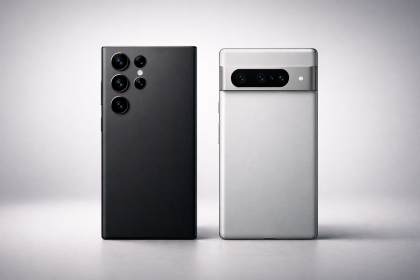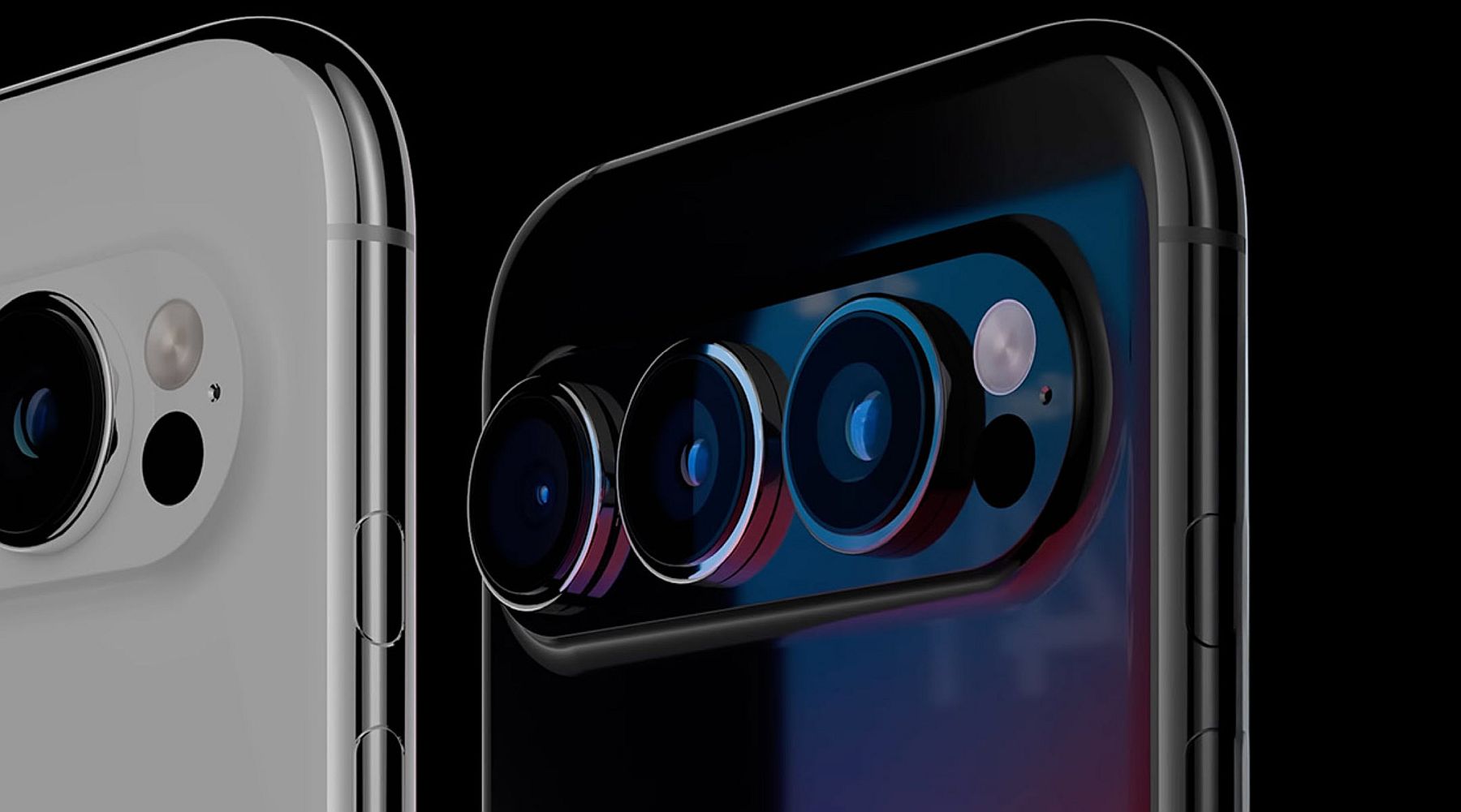

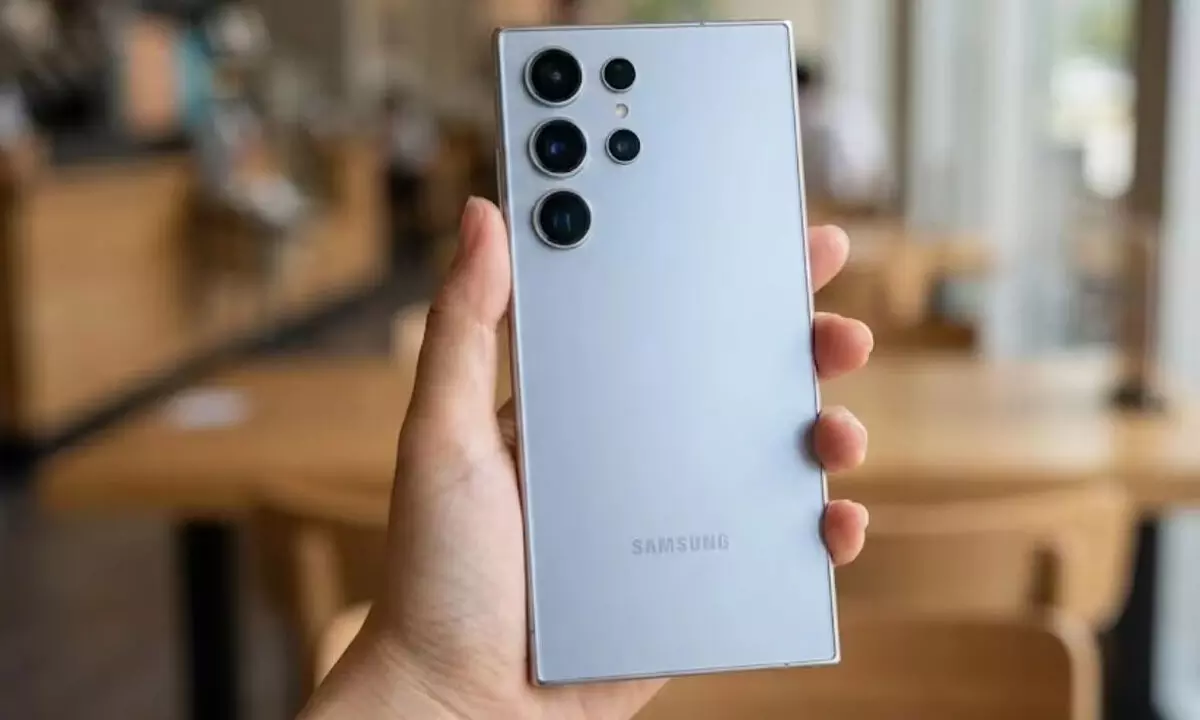
For over a decade, flagship smartphone cameras have competed primarily on hardware — larger sensors, brighter apertures, improved zoom optics. But the center of gravity has shifted. In recent product cycles, computational photography and AI-driven processing have become the defining differentiators in the premium segment.
Samsung began accelerating this transition with the Galaxy S24 series, introducing what it called “Galaxy AI” as a system-level intelligence layer. Features such as generative photo editing and real-time image enhancement marked a broader repositioning of the camera experience. Android Authority’s in-depth breakdown of Galaxy AI on the S24 series detailed how Samsung moved editing capabilities directly into the core experience rather than isolating them as secondary tools (Android Authority – Galaxy AI features explained).
Now, early reports surrounding the Galaxy S26 Ultra suggest Samsung is preparing a more structural shift — embedding AI directly into the imaging pipeline itself rather than treating it as a post-capture enhancement layer.
What’s Being Reported
Recent coverage indicates that Samsung is working on deeper AI integration for its next Ultra flagship, with improvements centered around semantic understanding, real-time scene optimization, and generative editing at the capture level.
TechRadar reports that Samsung may position the Galaxy S26 Ultra as its most AI-centric camera yet, with advanced neural processing enabling smarter exposure balancing and enhanced object recognition (TechRadar – Galaxy S26 AI camera report).
This would represent an evolution beyond the S24 Ultra’s computational photography stack, which GSMArena described as already heavily reliant on software tuning for HDR blending and tone mapping (GSMArena – Galaxy S24 Ultra camera review).
Instead of processing enhancements after the shutter is pressed, the S26 Ultra may incorporate predictive AI modeling during capture — analyzing depth layers, subject segmentation, and motion vectors in real time.
Why It Matters
The flagship camera race has reached diminishing returns in raw hardware gains. Megapixel counts have plateaued at levels that exceed practical user needs. Optical zoom systems are approaching physical constraints within smartphone form factors. The next frontier is intelligent interpretation.
An AI-first imaging pipeline could affect:
- Dynamic range processing through scene-aware tone mapping
- Low-light clarity via predictive noise modeling
- Portrait accuracy using improved edge detection and subject isolation
- Video stabilization assisted by AI motion prediction
Google has long demonstrated the power of computational photography, particularly through its Pixel line. The Verge’s coverage of Pixel’s AI-driven imaging strategy highlighted how Google prioritizes algorithmic tuning over raw sensor competition (The Verge – Pixel 8 Pro AI camera features).
Samsung appears to be recalibrating toward that same direction — but at scale, across its Ultra-tier flagship platform.
Impact on the Market and Users
For users, a deeper AI-driven capture system could mean fewer manual adjustments and more consistent results across lighting conditions. Instead of adjusting exposure, HDR, and portrait effects after capture, the device could interpret scene context before processing begins.
Content creators may benefit from improved real-time optimization in video capture, particularly in mixed lighting or fast-moving environments. If predictive AI stabilizes motion more effectively, it could narrow the gap between smartphone and dedicated camera rigs for casual production workflows.
From a competitive standpoint, Samsung’s shift reinforces a broader trend: AI is becoming the primary battleground in flagship differentiation. Apple has steadily enhanced its Photonic Engine and Neural Engine integration, while Google continues to refine its Tensor-powered computational photography stack.
If the Galaxy S26 Ultra introduces a genuinely integrated AI-first imaging pipeline, Samsung may reposition itself not simply as a hardware innovator, but as an AI imaging platform leader.
Analytical Conclusion
The emerging narrative around the Galaxy S26 Ultra suggests that Samsung is preparing to redefine its camera identity. Rather than emphasizing incremental hardware upgrades, the company appears focused on embedding intelligence directly into the imaging core.
This approach aligns with Samsung’s broader AI strategy across Galaxy devices. Instead of treating AI as a standalone feature, the company is layering intelligence across search, productivity, and photography.
Whether this shift translates into measurable user-perceived improvements will depend on execution. Computational photography can enhance realism — but it can also introduce artificial overprocessing if not carefully calibrated.
What is clear is that the next stage of flagship competition will not be decided by megapixels alone. It will be shaped by how effectively devices interpret and process the world in real time. The Galaxy S26 Ultra may be Samsung’s clearest signal yet that intelligent imaging, not raw hardware escalation, defines the premium camera future.