

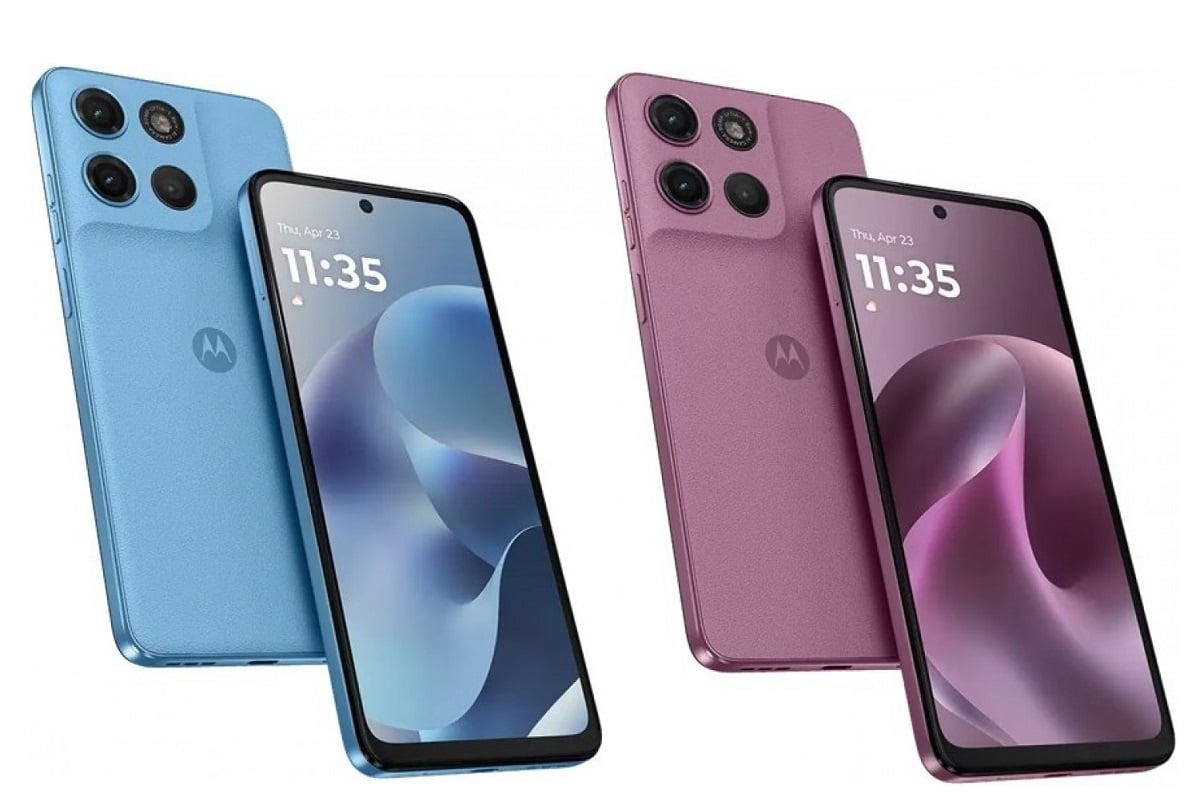
Motorola has recently expanded its budget smartphone lineup in Europe with the introduction of the Moto G17 and Moto G17 Power. While both devices offer competitive hardware specifications for their price segment, early details suggest potential shortcomings in long-term software support—an area that continues to gain importance among consumers.
Competitive Hardware in the Entry-Level Segment
The standard Moto G17 is priced at £149.99 in the UK and features a 6.72-inch FHD+ display, a 5,200mAh battery, and a MediaTek Helio G81 processor paired with 4GB of RAM. The camera setup includes a 50-megapixel primary sensor using Sony's Lytia technology, supported by a 5-megapixel ultra-wide camera. A 3.5mm headphone jack is also present, a feature that has become increasingly rare in modern smartphones.
The Moto G17 Power shares the same core hardware configuration but increases battery capacity to 6,000mAh, targeting users who prioritize extended battery life. From a hardware standpoint, both models align well with expectations in the budget category and remain competitive against similarly priced alternatives.
Android Version Already Outdated at Launch
Despite the solid hardware foundation, Motorola's software choices have raised concerns. Both the Moto G17 and Moto G17 Power ship with Android 15, an operating system version that had already been superseded at the time of launch. Android 16 was officially released in June 2025 and has since been adopted by many newly announced devices across multiple price ranges.
Releasing new smartphones with an older Android version is increasingly uncommon, particularly as software longevity becomes a key purchasing criterion—even for entry-level devices.
Limited Transparency on Future OS Updates
Motorola has also refrained from committing to operating system upgrades for the Moto G17 series in Europe. While the company guarantees five years of security updates, it has not confirmed whether the devices will receive future Android version updates.
This policy complies with European Union regulations, which require manufacturers to provide security updates, repair support, and essential functionality over a defined period, but do not obligate them to deliver new Android versions. As a result, Motorola meets regulatory requirements while leaving questions unanswered about long-term platform upgrades.
Software Support as a Purchasing Factor
As consumer awareness around update policies continues to grow, the absence of a clear OS upgrade roadmap may influence purchasing decisions. While budget-focused buyers may prioritize price and hardware, software support increasingly plays a role in determining long-term value, app compatibility, and device lifespan.
The Moto G17 series highlights a familiar trade-off: attractive pricing and capable hardware balanced against uncertain long-term software evolution.


