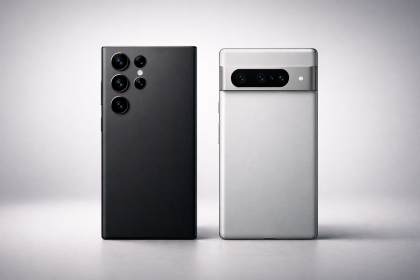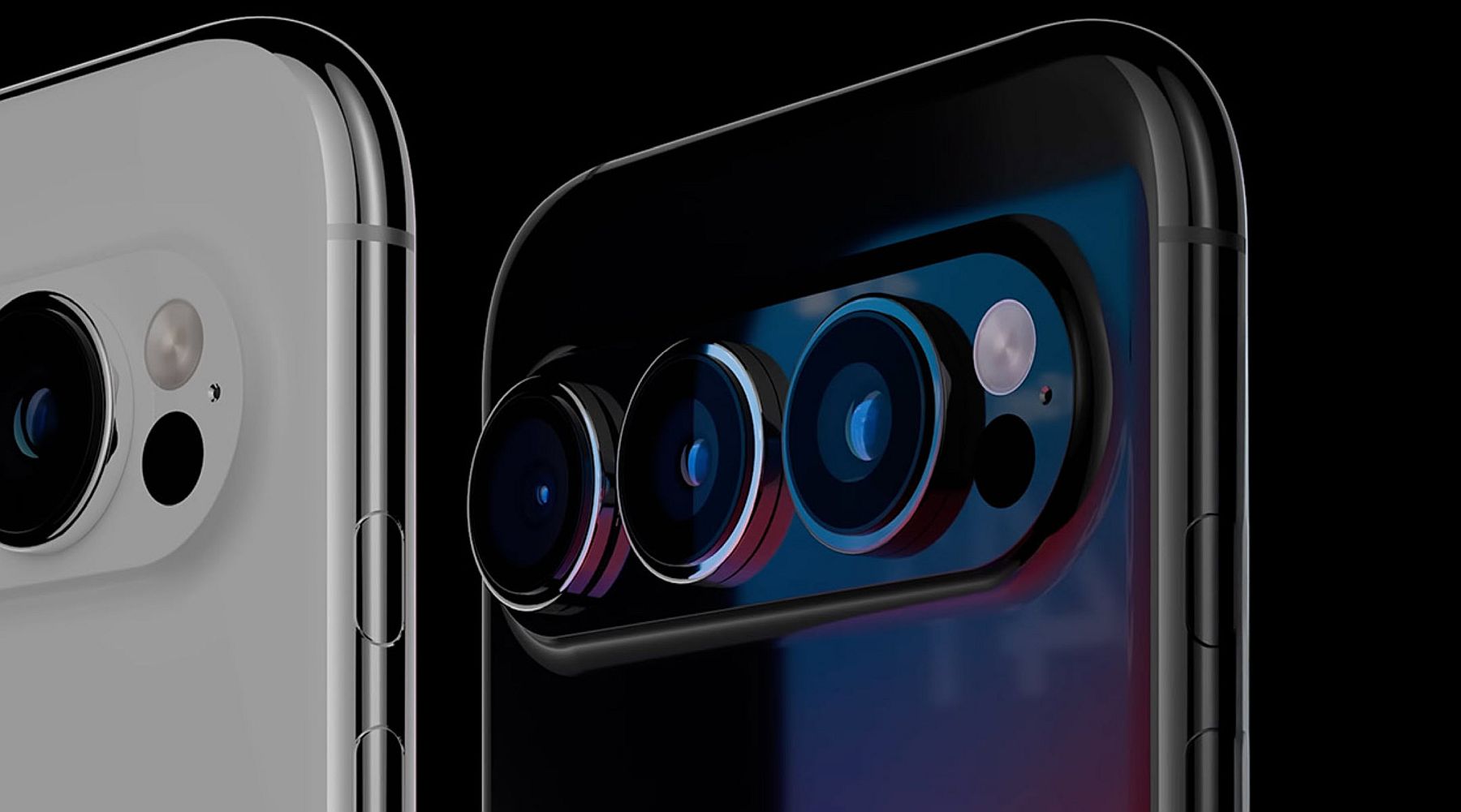


According to a recent report from Android Authority, Samsung is integrating Perplexity-powered voice commands into the Galaxy S26 lineup under the new wake phrase “Hey Plex.” That detail alone signals something bigger than a cosmetic upgrade.
This isn’t about replacing Bixby. It’s about restructuring how users interact with their phones.
From Assistant to AI Agent
For years, voice assistants have been reactive. You issue a command. The phone responds. End of interaction.
But as noted by T3, the introduction of a new AI wake word suggests Samsung is positioning this system differently — not just as a voice trigger, but as a deeper AI layer integrated into the device’s operating logic.
That distinction matters.
Traditional assistants were command executors.
AI agents are contextual collaborators.
Instead of simply opening apps or toggling settings, this new system could:
- Analyze multi-step requests
- Pull contextual data
- Operate across apps
- Deliver synthesized responses
That moves the Galaxy S26 closer to an AI-first device, not just a smart one.
Where Does This Leave Bixby?
Samsung’s legacy assistant, Bixby, was originally designed to compete directly with Siri and Google Assistant. But its adoption has always been mixed.
Now, with the broader expansion of Galaxy AI, Samsung appears to be layering a more advanced AI architecture on top of its existing ecosystem.
Rather than abandoning Bixby outright, Samsung may be evolving beyond the traditional assistant model entirely.
That’s a subtle but important shift.
The Competitive Angle: Why Apple Should Be Watching Closely
If Samsung succeeds in making AI voice interaction feel genuinely useful — not gimmicky — it could alter user expectations across the premium smartphone market.
Apple’s strength has historically been deep vertical integration and controlled ecosystem refinement. But Samsung’s approach appears more modular and AI-partner driven.
That flexibility allows faster experimentation.
And perception matters.
If users begin to associate Galaxy devices with:
- Smarter contextual responses
- Faster AI reasoning
- Better cross-app automation
Then the competitive narrative changes.
It stops being about camera megapixels or chip benchmarks.
It becomes about intelligence.
The Broader AI Hardware Trend
This move also aligns with a larger industry shift.
As Android Headlines recently reported, Honor is preparing to showcase a humanoid AI robot at MWC 2026 — another sign that AI is moving beyond software features and into the core of hardware strategy.
The smartphone is no longer just a device with AI features.
It’s becoming an AI endpoint.
Samsung’s Galaxy S26 voice strategy fits directly into that evolution.
Why Voice Is Becoming Strategic Again
Touch dominated smartphones for over a decade.
But AI changes the equation.
When AI can reason, summarize, compare options, and execute multi-step commands, voice becomes more efficient than tapping through menus.
Typing prompts introduces friction.
Switching apps creates friction.
Navigating interfaces creates friction.
Voice AI reduces that friction — if done right.
Samsung appears to be betting that users are ready for that transition.
The Risk
Of course, this strategy carries significant risk.
AI voice systems must be:
- Fast
- Accurate
- Context-aware
- Secure
- Reliable across apps
If hallucinations, latency, or privacy concerns emerge, trust collapses quickly.
And in AI, trust is everything.
Samsung is effectively betting that its AI integration can move beyond novelty and become indispensable.
Final Take: A Structural Shift, Not a Feature Update
The Galaxy S26’s “Hey Plex” integration isn’t just a new wake word.
It’s a signal.
A signal that Samsung sees the future of smartphones as AI-first, voice-driven, and agent-powered.
If that vision materializes, this won’t be remembered as a feature announcement.
It will be remembered as the moment smartphones began transitioning from reactive tools to proactive digital collaborators.
And that’s a battlefield Apple can’t afford to ignore.